Tokyo Arts and Space Hongo, Tokyo
Organized by Tokyo Arts and Space, Tokyo Metropolitan Foundation for History and Culture
Photos: Ken Kato
Photo courtesy: Tokyo Arts and Space
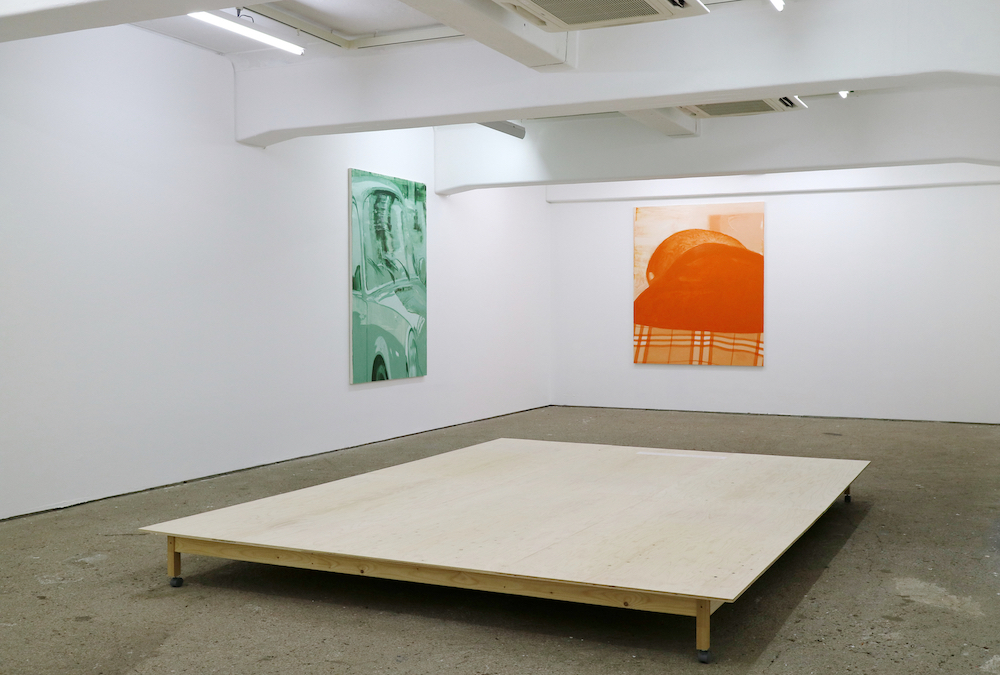
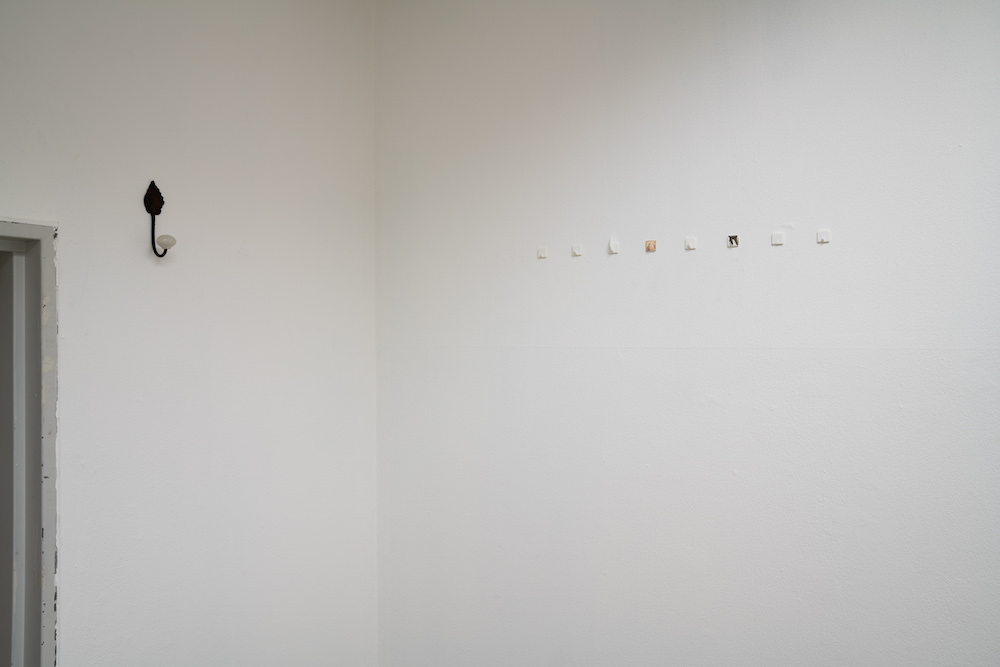
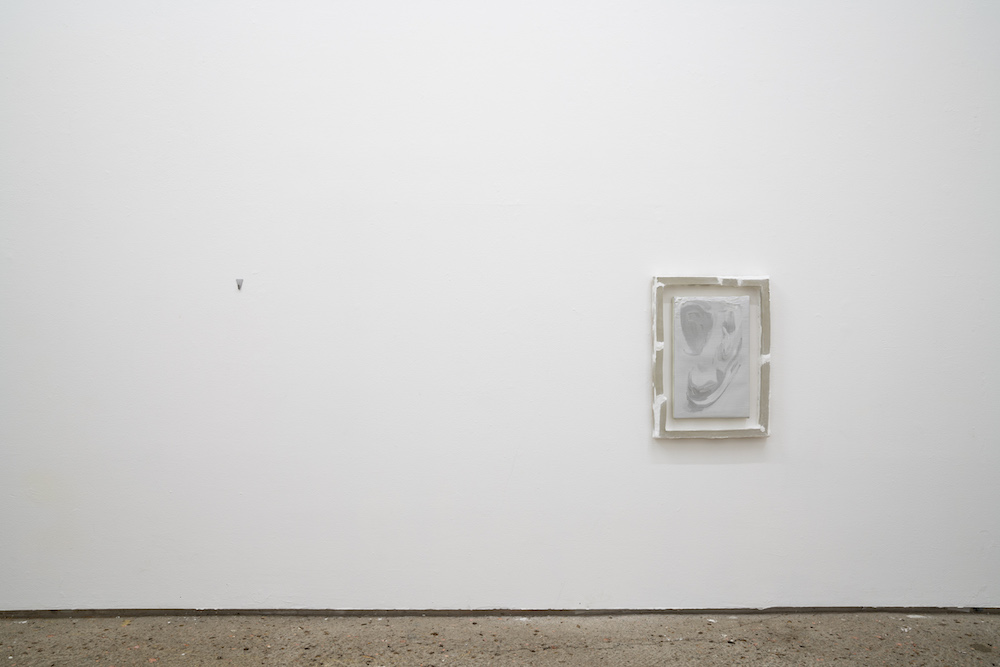
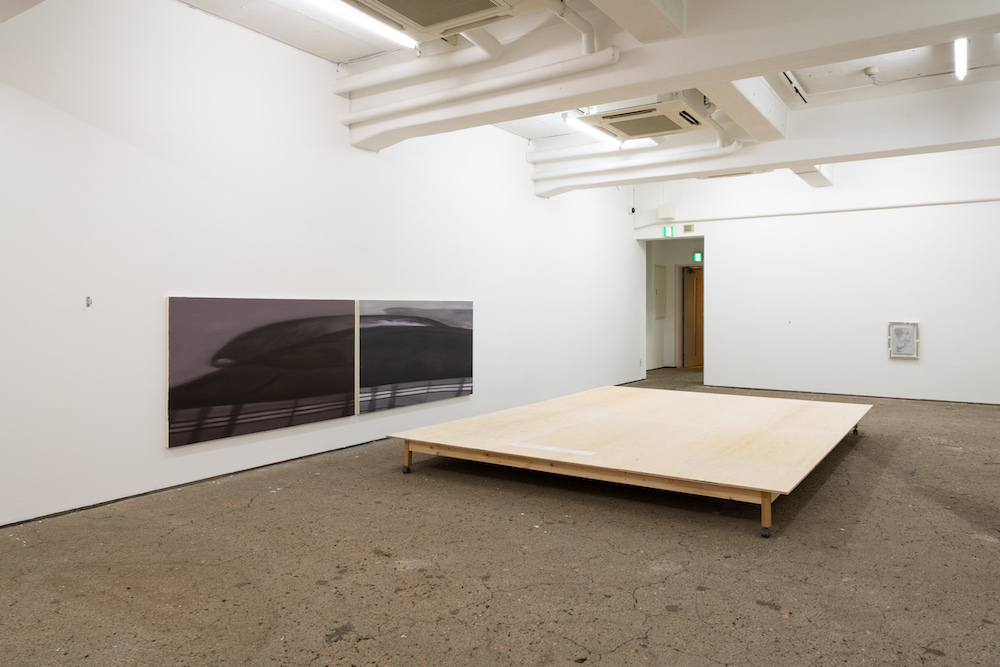
The exhibition title “Doublethinkwise” is derived from the “doublethink” concept that British writer George Orwell introduced in his novel 1984 (1949). The idea behind “doublethink” in Orwell’s work was to accept the contradiction between contrary opinions, and eventually support both of them. Composed of several paintings, slightly modified pieces of furniture, and two texts, Shimizu Soji’s exhibition is more or less based on this concept.
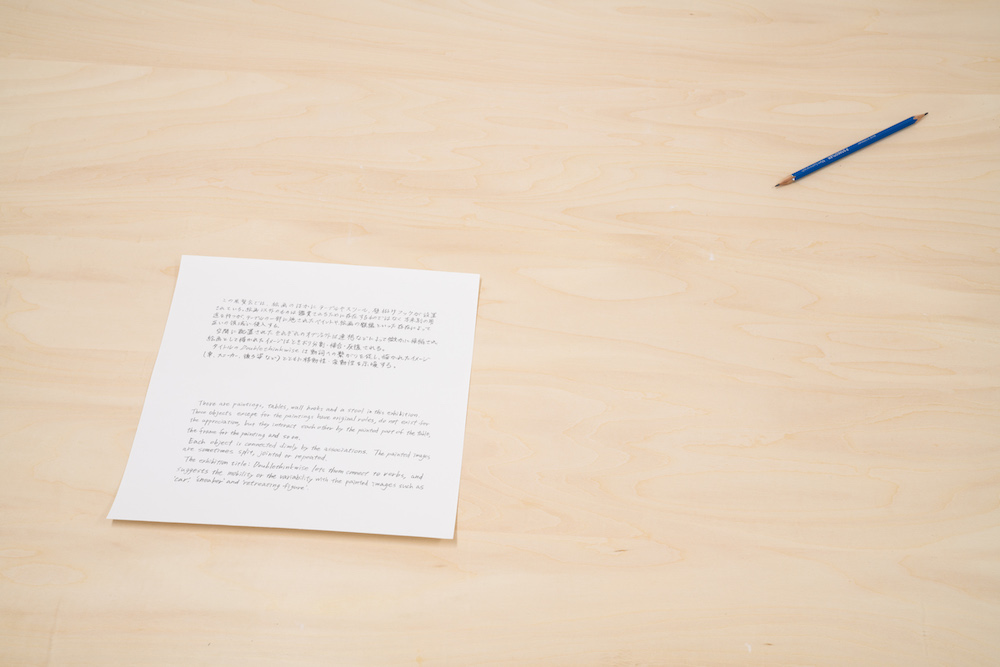
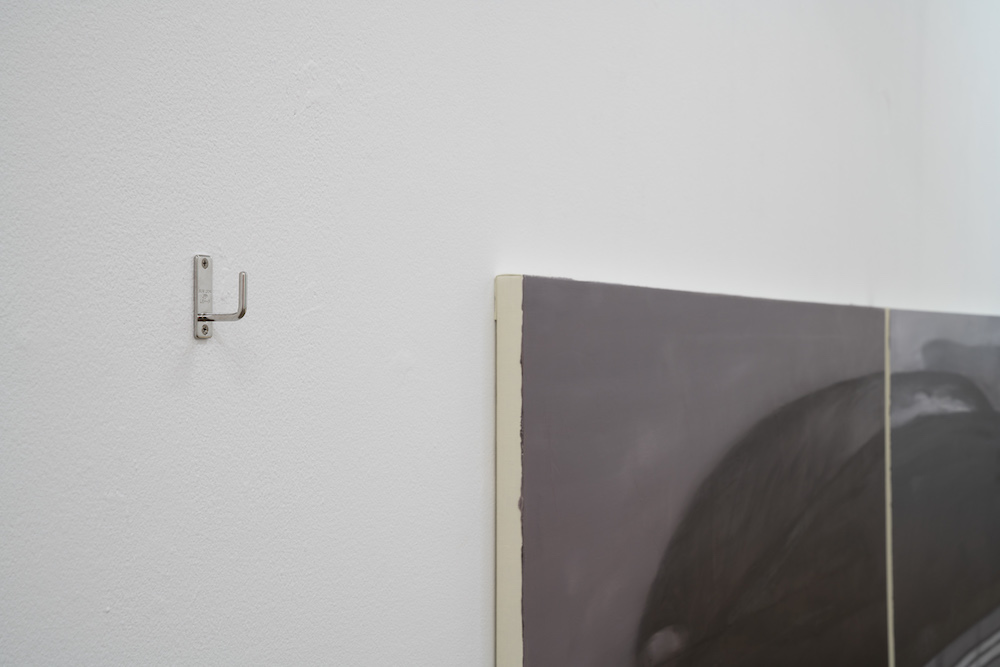
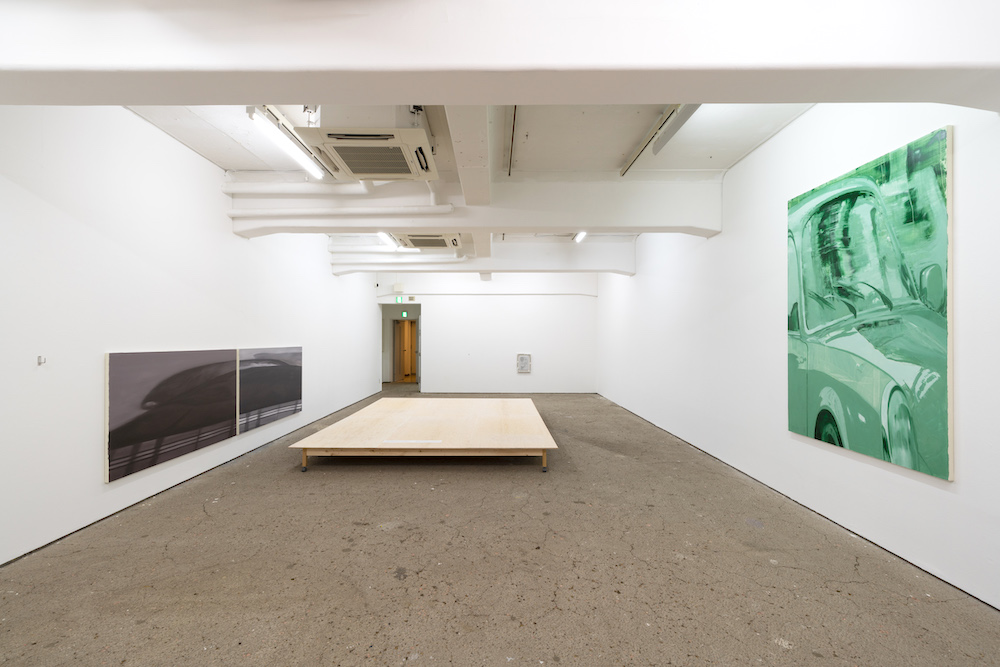
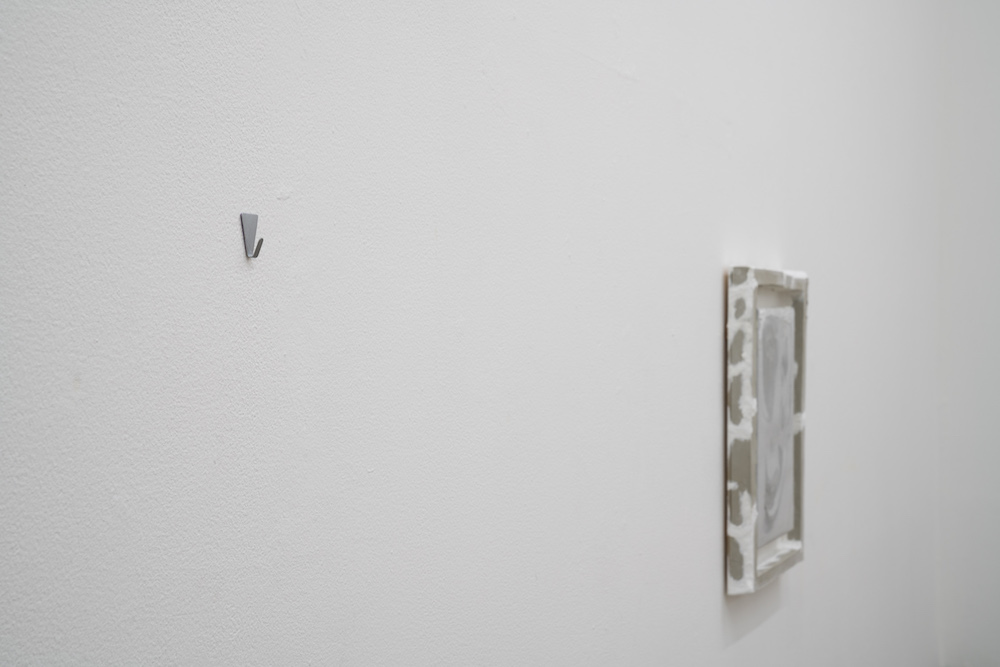
The position of hanged paintings is not regular height and items of furniture are not regular-sized, but correspond with the “physical features” of a certain “he” that appears in one of the texts. “He” has “an extremely short torso in relation to his extraordinarily long limbs,” and “his eyesight is monochromatic.” It does in fact look as if the entire exhibition space was designed for “him.” Many of the paintings are painted in single colors, and seemingly adjusted to “his” body height, they are placed rather low on the walls.
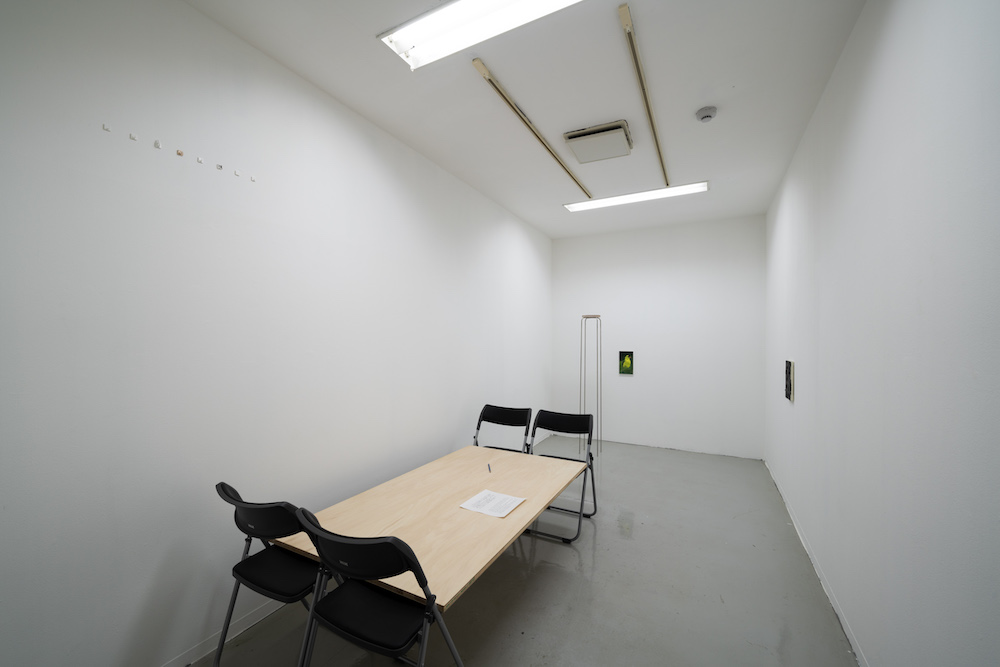
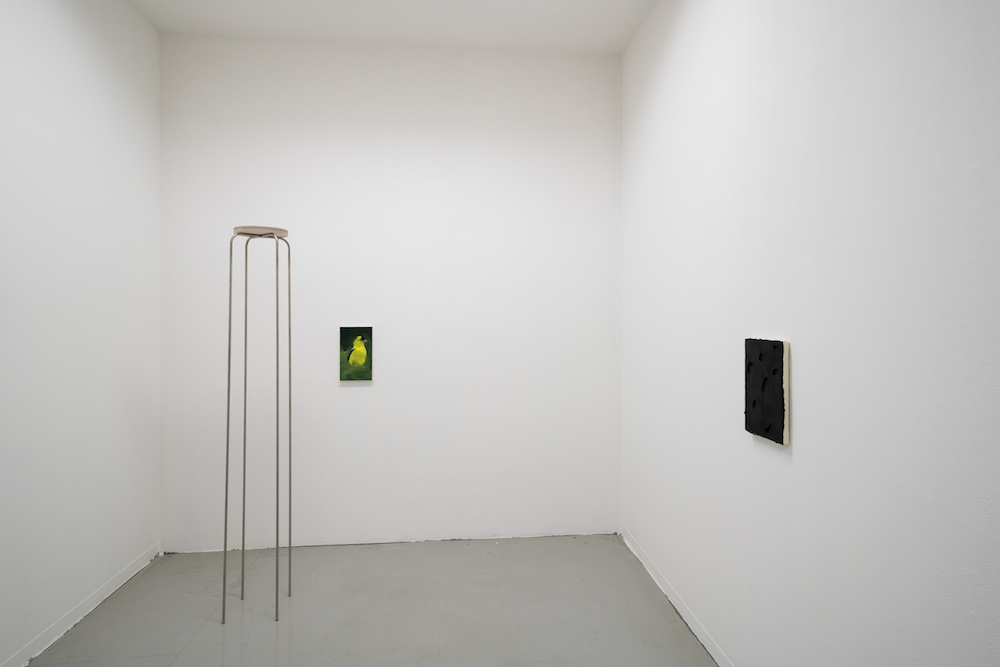
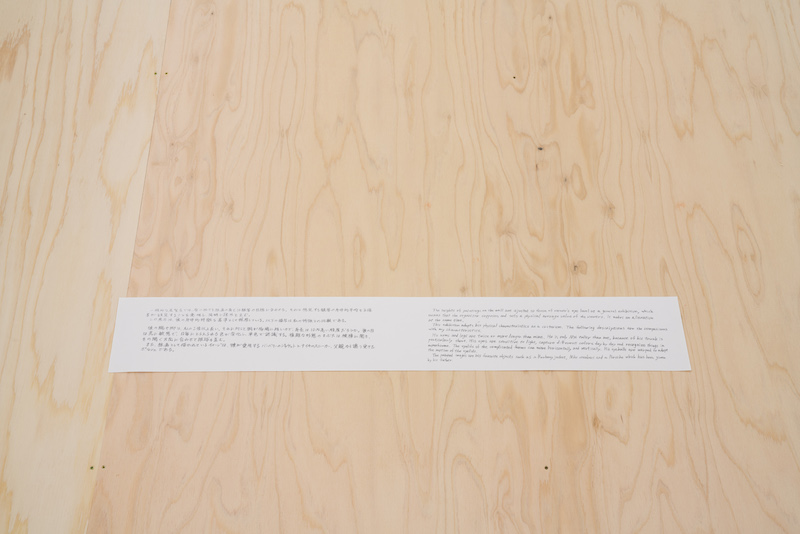
One of the texts is displayed in a room in which objects – I would call them “quasi-ready-made objects” – such as slightly modified tables and stools are installed. These objects direct the viewer’s consciousness toward the connection between “works” and “non-works.” Such reasoning is also reflected in the adverb that is used for the exhibition’s title, “Doublethinkwise,” while the cars and shoes one can see in the paintings function as motifs that suggest this very mobility of the viewer’s consciousness.
Text by Naoki Yoneda ( Curator, The National Art Center, Tokyo )
–
展示のタイトル「Doublethinkwise」は、イギリスの作家ジョージ・オーウェルの小説『1984年』(1949年)で 用いられる概念「二重思考 Doublethink」から派生している。オーウェルの作品において「二重思考」とは、相 反する意見が矛盾するのを承認した上でそのどちらも支持するというものだ。清水の展示は、数点の絵画、家具 に手を加えた物体、そして 2点のテキストによって構成され、多かれ少なかれこの概念が潜在している。
絵画が吊られる位置の高さや家具類のサイズは一般的なものとは異なり、テキストのひとつに現れる「彼」とい う人物の「身体的特徴」が採用されている。「彼」は、「腕や脚が異様に長いのに対して胴が極端に短い」。そし て「彼の目は」、「単色で認識する」という。実際、展示空間は、「彼」のために構成されているようにも見える。 数点の絵画は単色で描かれたものが多く、「彼」の身長に合わせられたかのように、それらは壁面のかなり低い 位置に掛けられている。
また、テキストのひとつが置かれた部屋には、テーブルやスツールに少しだけ手を入れた「準 – 既製品」とでも いうべき物体が設置されている。これらは「作品」と「作品でないもの」との接続を観者の意識に促しており、 タイトルの「Doublethinkwise」という副詞の様態はこのような思考の運動を示唆するものである。また、こ の観者の意識のモビリティは、絵画に描かれている車や靴といったモティーフによっても暗示されている。
テキスト:米田尚輝(国立新美術館 主任研究員)
 Soji Shimizu